Posted on Leave a comment

Ticks, Mosquitoes, and Outdoor Pests: How to Enjoy Your Yard and the Outdoors with Less Worry

Spending time outside should feel relaxing, not like a constant battle against ticks, mosquitoes, gnats, and other biting pests. Some of these pests are more than annoying. According to the Centers for Disease Control and Prevention, ticks can spread germs that make people sick, including illnesses such as Lyme disease, anaplasmosis, babesiosis, ehrlichiosis, and Rocky Mountain spotted fever. Mosquitoes can also spread disease, including West Nile virus and other illnesses depending on location and season.

Whether you are gardening, mowing, walking the dog, hiking, working around the yard, or managing an outdoor property, pest pressure can quickly turn a good day outside into a frustrating one.

In recent years, more homeowners, property managers, landscapers, and outdoor workers have become more aware of the risks associated with ticks and mosquitoes. That does not mean people need to avoid the outdoors. It does mean that preparation matters.

The best approach is not one single product, habit, or quick fix. It is a layered strategy: understand where pests are likely to be, reduce the conditions that attract them, protect yourself before going outside, and check carefully when you come back in.

Why Ticks and Mosquitoes Deserve Attention

Ticks and mosquitoes are more than a nuisance. They can carry disease-causing germs, and they are often found in the same places people like to spend time: yards, gardens, wooded paths, tall grass, brushy areas, parks, campgrounds, shaded outdoor spaces, and areas where pets and wildlife travel.

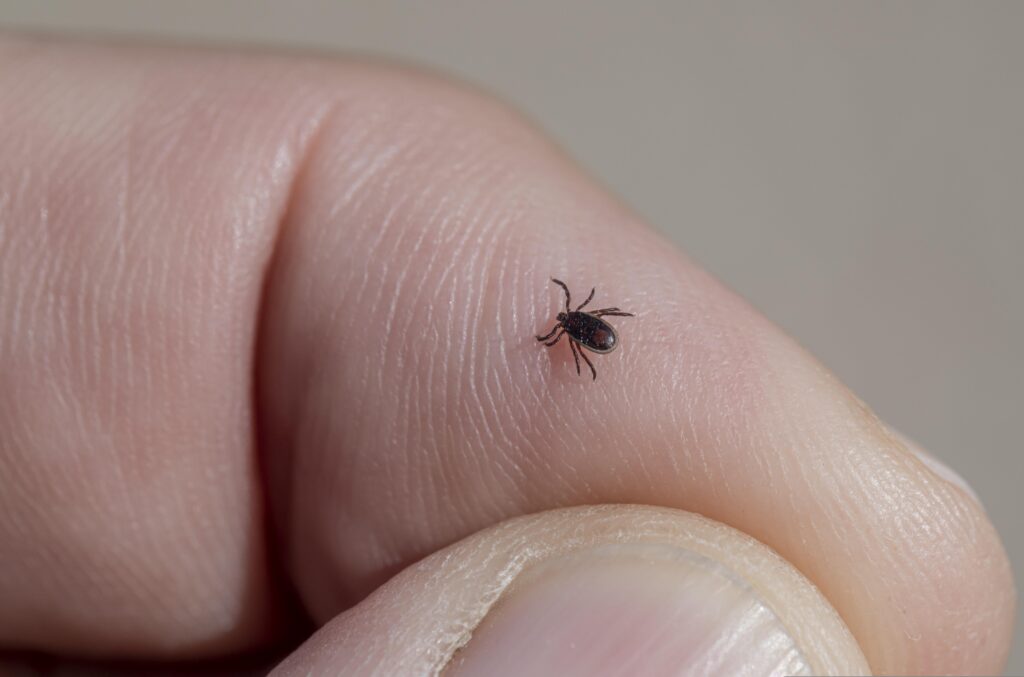
Ticks are especially easy to overlook because they are small, quiet, and often latch on without being noticed. Many people assume ticks are only a problem deep in the woods, but the CDC notes that ticks can also be found in backyards, especially in grassy, brushy, or wooded areas. Their tick bite prevention guidance recommends avoiding wooded and brushy areas with high grass and leaf litter when possible, walking in the center of trails, and taking prevention steps before and after outdoor activity.

Pets are also part of the prevention picture. Dogs and cats can pick up ticks outside and carry them into the home or yard. The CDC’s Lyme disease prevention guidance recommends checking pets for ticks after they have been outdoors. While pets do not directly spread Lyme disease to people, ticks that come in on pets can later attach to a person. Checking pets after outdoor time and talking with a veterinarian about appropriate tick prevention can be an important part of a household plan.

Mosquitoes are more obvious, but no less frustrating. They are drawn to standing water, shaded areas, overgrown vegetation, humid outdoor spaces, and unfortunately, people. Once they become established, they can make patios, gardens, decks, lawns, athletic fields, outdoor recreation areas, and outdoor work spaces uncomfortable fast. The CDC recommends preventing mosquito bites by using repellent, wearing protective clothing, and controlling mosquitoes around the home.

The goal is not to make every outdoor space completely pest-free. That is rarely realistic. The goal is to reduce exposure, make your outdoor spaces less inviting to pests, and add protective steps before pests become a bigger problem.

Start with the Yard: Reduce Pest-Friendly Conditions

One of the best ways to reduce pest pressure is to look at your yard or property from a pest’s point of view.

Ticks like moisture, shade, tall grass, brush, leaf litter, and places where animals move through. Mosquitoes need water to breed and often rest in shaded, protected areas during the day. If your property has overgrown edges, piles of leaves, clogged gutters, old containers that collect water, or dense vegetation close to high-use areas, those are good places to start.

Practical steps include:

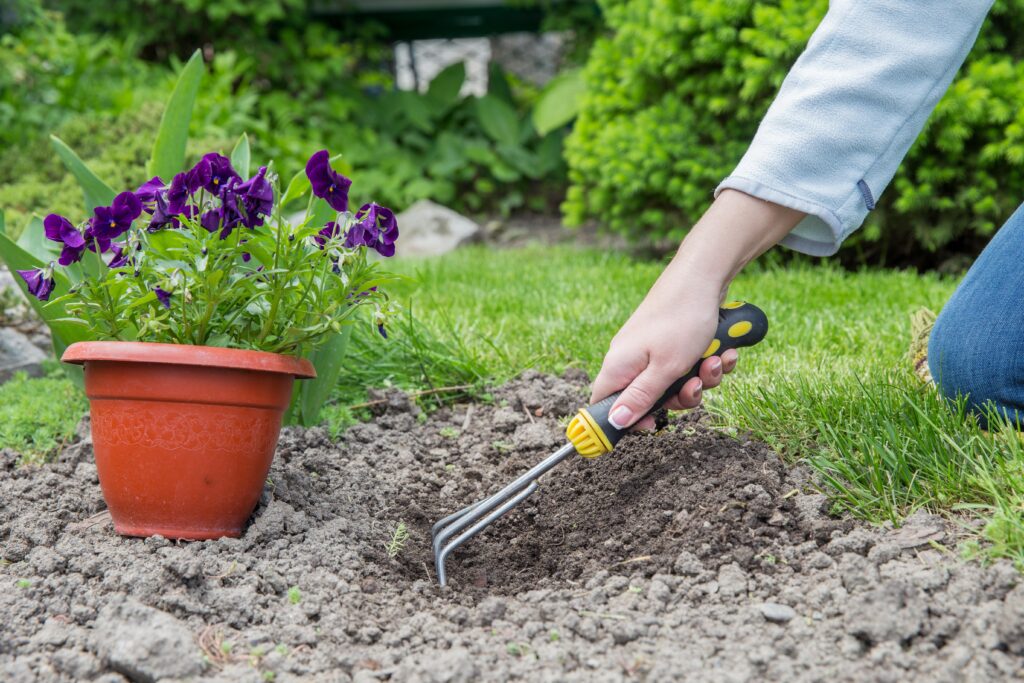
  • Mow lawns regularly, especially around walkways, play areas, patios, and garden beds.
  • Clear tall grass and brush along the edges of the yard.
  • Remove leaf litter where ticks can hide.
  • Keep firewood stacked neatly and away from high-traffic areas.
  • Eliminate standing water from buckets, planters, tarps, toys, wheelbarrows, birdbaths, flowerpot saucers, and other containers.
  • Clean gutters so water does not collect.
  • Create separation between wooded or brushy areas and the parts of the yard people use most.
  • Keep patios, playsets, garden benches, and outdoor seating away from dense vegetation when possible.
  • Check pets after they spend time in grass, brush, wooded areas, or other tick-prone spaces.

For mosquitoes, standing water is one of the biggest areas to watch. The CDC’s mosquito control at home guidance recommends emptying, scrubbing, turning over, covering, or throwing out items that hold water at least once a week. That includes common yard items like buckets, planters, toys, pools, birdbaths, flowerpot saucers, and trash containers.

For larger properties, parks, athletic fields, garden centers, farms, campgrounds, and commercial grounds, this same thinking applies on a bigger scale. Focus first on the places where people actually walk, work, sit, gather, or play.

Protect Yourself Before You Go Outside

Yard maintenance helps, but personal protection is still important. If you are heading into grass, woods, brush, garden beds, or mosquito-heavy areas, dress with prevention in mind.

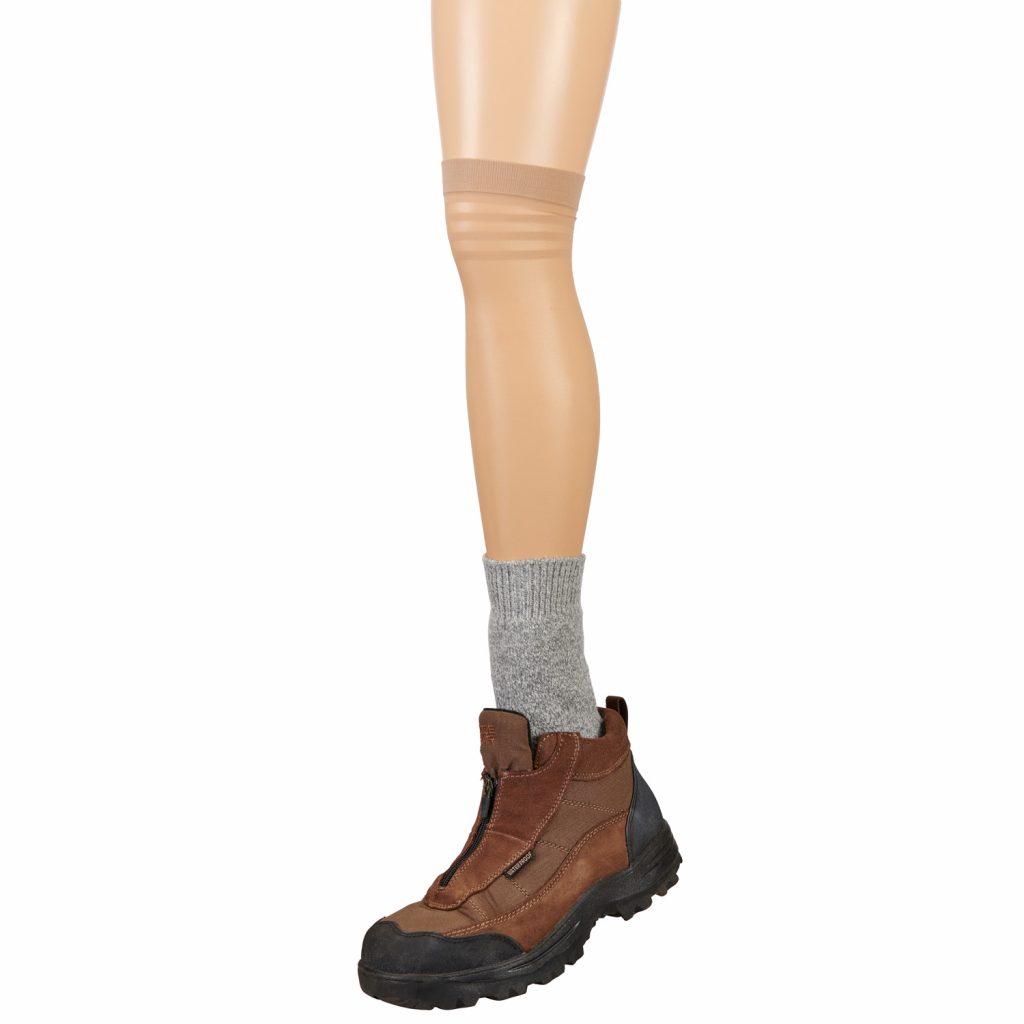
Light-colored clothing can make ticks easier to spot. Long pants, long sleeves, socks, and closed-toe shoes can help reduce exposed skin. When walking through tall grass or wooded areas, tucking pants into socks may look a little odd, but it can make it harder for ticks to reach the skin unnoticed.

Repellents, treated clothing, and physical barriers can also be useful. The CDC recommends using insect repellents and following product instructions carefully. The EPA also provides a helpful tool to find the repellent that is right for you, including options based on mosquitoes, ticks, protection time, and active ingredient.

Always follow label instructions, especially when using products around children, pets, gardens, or sensitive outdoor areas.

For people who spend a lot of time outdoors; gardeners, landscapers, grounds crews, hikers, homeowners with wooded lots, or anyone working near brush, protection should be treated as part of the routine, not an afterthought. The CDC’s NIOSH guidance for outdoor workers also recommends checking skin and clothes daily, showering after outdoor work, and removing ticks promptly with fine-tipped tweezers.

Check Carefully After Outdoor Time

A good tick check is one of the simplest and most important habits to build.

After spending time outdoors, check your clothing, skin, shoes, socks, pets, and gear. Ticks often move before attaching, so catching them early matters. Pay close attention to areas where ticks are easy to miss, including behind the knees, around the waist, under the arms, in and around the hairline, around the ears, between the legs, and inside the belly button.

Showering after outdoor activity can also help you find ticks sooner and wash off unattached ticks. The CDC’s Lyme disease prevention guidance recommends checking your body, clothing, gear, and pets for ticks during and after time outdoors, including time spent in your own backyard.

If you find an attached tick, remove it carefully with fine-tipped tweezers and follow public health guidance. The CDC provides detailed instructions on what to do after a tick bite, including how to remove a tick properly and when to contact a healthcare professional.

If you develop a rash, fever, unusual fatigue, or other concerning symptoms after a tick bite or time in a tick-prone area, contact a healthcare professional.

Use a Layered Pest Deterrent Strategy

Pest prevention works best when multiple steps are used together. Yard cleanup, personal protection, repellents, treated gear, physical barriers, pet checks, and regular tick checks all play different roles.

That is also where pest deterrent products can fit into the larger strategy. They should not replace common-sense prevention, but they can add another layer of support for people who spend time outdoors.

For example, Bare Ground’s Just Scentsational pest deterrent products are designed for outdoor use around lawns, gardens, and property areas where mosquitoes, ticks, and other pests may be a concern. Garlic Scentry uses garlic as part of a yard and garden pest deterrent approach. Garscentria is designed for use around mosquitoes, ticks, crawling insects, flying insects, and nuisance animals. Bite Barrier with Garscentria adds a physical barrier concept for outdoor activity, helping reduce direct contact with ticks and other biting insects while gardening, hiking, or working outside.

The important point is this: no single product should be treated as the entire solution. The strongest approach is layered.

Prepare the yard. Dress for the conditions. Use repellents, deterrents, or protective barriers properly. Check yourself, your pets, and your gear after outdoor time. Repeat the process throughout the season.

Outdoor Spaces Should Be Used and Enjoyed

A yard, garden, trail, field, or outdoor work area should be something people can actually use and enjoy. Ticks, mosquitoes, and biting pests can make that harder, especially during peak season, but preparation can make a real difference.

Start with the basics:

  • Keep grass and brush under control.
  • Eliminate standing water.
  • Create cleaner boundaries around high-use areas.
  • Protect yourself before heading outdoors with clothing, repellents, deterrents, or physical barriers where appropriate.
  • Check for ticks afterward.
  • Add pest deterrent tools where they make sense.

The goal is not to create fear around being outside. The goal is to help people be smarter, more prepared, and more confident when they are spending time in the places they care about.

With the right habits and the right tools, outdoor spaces can stay more comfortable, more usable, and easier to enjoy throughout the season.
Posted on Leave a comment

The 1976 Trick That Inspired Bite Barrier

Our Bite Barrier kit helps to protects against ticks and helps reduce direct contact with them.

It was the summer of 1976 when my friends, Eldo and Julie, invited me to the new house they bought in central Tennessee. The house was a sharp right off Hwy 70 outside of Nashville, over a small bridge, and then miles on a dirt road. It was so remote that they needed to run a water line up the side of a steep wooded hill so that this old fixer-upper would have water. I told Eldo that I was ready to work for his wife Julie’s fried chicken dinner. 

As I started to walk out of the house towards the wooded hill, Eldo stopped to caution me that we both had to put on a pair of pantyhose before we ventured out on that overgrown hillside. After 3 hours of climbing up and down the hill and laying in the dirt, we finished the task. It wasn’t until we went inside to change that I realized what the pantyhose were for. The pantyhose were dotted with ticks, and the pantyhose acted as a barrier against those nasty ticks that dotted the outside of the leggings. 

That lesson has stayed with me all these years later. Each time I hear about the myriad of tick and mosquito-borne diseases… Lyme, Rocky Mountain Spotted Fever, Powassan, West Nile, EEE, Anaplasmosis, and Babesiosis, to name a few, I think of Eldo’s great pantyhose solution! Finally, I’ve designed something based on his clever suggestion that improves protection and helps us take back our ability to safely enjoy the outdoors, whether it’s our yard, gardens, or the woods!

Introducing the Just Scentsational Bite Barrier kit. When the threat of insect-transmitted diseases, or just the annoyance of the insects themselves, is keeping you from going out and enjoying the great outdoors, it’s time to get back to enjoying nature with less worry.

Bite Barrier protects against ticks and other insects

Bite Barrier provides dual protection against biting and blood-sucking pests that are both a nuisance and are known to carry dangerous diseases. Whether you are hiking the trails or working in the garden, ticks, mosquitoes, gnats, and spiders are everywhere. Bite Barrier is so easy to use! Simply spray the Bite Barrier stocking with our all-natural Garscentria essential oil liquid (4oz bottle included in kit), which has been specifically formulated to be effective against flying insects like mosquitoes as well as ticks (DEET free with only highly concentrated garlic and organic oils). This professional blend of garlic and essential oils is the same blend that commercial companies are using to fog treat yards and other outdoor spaces. After spraying the mid-thigh length stockings with the Garscentria, slip on the treated mid-thigh length stockings to keep these dangerous insects away from you and off your skin. Enjoy the extra soothing support of the mild stocking compression when you walk, hike, or work in the garden. The Bite Barrier makes being outdoors less stressful because you’ve got the extra protection from dangerous and even deadly disease-carrying ticks and mosquitoes. When you are done with your outside activities, use the sticky roller, included in the kit, to remove any ticks that have been caught on the Bite Barrier and tear off the top layers of the roller at the perforation and carefully discard the roller film. Wash and reuse the stocking barrier for multiple uses.

Ready to spend more time outdoors with less worry?

The Bite Barrier Kit was designed to add an extra layer of protection between you and the ticks, mosquitoes, gnats, and other biting insects that can make time outside stressful. Whether you’re gardening, hiking, working around the yard, or heading into wooded areas, Bite Barrier helps you enjoy the outdoors with greater confidence.

Shop the Bite Barrier Kit and get back to enjoying nature.

Posted on Leave a comment

Top Tips to Extend Root Growth Naturally with Just Scentsational

Grow Stronger, Deeper Roots — Naturally

How to Improve Root Growth with Just Scentsational Organic Fertilizers and Biostimulants

Healthy lawns, gardens, and landscapes all start below the surface. Strong roots mean better growth, greater resilience, and greener results year after year. The good news? You can boost root development naturally—with Just Scentsational organic fertilizers and biostimulants from Bare Ground.


Why Root Health Is the Foundation of Every Landscape

Roots do more than anchor your plants—they act as the lifeline that delivers nutrients, water, and stability. A deep, well-developed root system helps your turf and ornamentals:

  • Absorb more nutrients and moisture
  • Withstand drought, heat, and compacted soil
  • Recover faster after stress
  • Stay greener and healthier throughout the season

When you focus on the soil first, everything above it thrives.


The Just Scentsational Difference

Just Scentsational products are made from renewable, natural ingredients that work with the soil—never against it. Instead of forcing fast, artificial growth like chemical fertilizers, these organic formulas stimulate plants’ natural biological processes to build long-term strength.

Each product in the line blends ingredients like:

Together, they create a healthy soil ecosystem that feeds beneficial microbes, enhances root zone activity, and builds lasting resilience.


When to Apply for Best Results

Because Just Scentsational fertilizers and biostimulants are gentle and organic, timing isn’t critical. You can apply them safely throughout the growing season:

  • Spring: Encourage new root initiation and growth
  • Summer: Strengthen plants against heat and drought
  • Fall: Prepare your turf and trees for winter dormancy

Every application improves soil health and keeps your landscape performing its best—no matter the season.

Safe, Sustainable, and Simple to Use

There’s no need to worry about over-application or runoff. Just Scentsational formulas are biodegradable, pet-safe, and environmentally responsible. They won’t burn roots or disrupt beneficial soil organisms. Instead, each use enhances soil fertility and strengthens your plants from the ground up.

Whether you’re maintaining a backyard lawn or managing large landscape areas, these products make sustainable plant care easy—and effective.


The Takeaway

Healthy roots are the key to thriving turf, trees, and ornamentals. With Just Scentsational’s organic fertilizers and biostimulants, you’re giving your plants what they need to grow stronger, deeper, and more resilient—all while protecting the environment.

Discover the full Just Scentsational lineup at bareground.com and see how natural solutions can make your landscape truly rooted in health.

Photo by Josue Michel on Unsplash

Posted on Leave a comment

How to Run a Soil Test

Healthy soil is the foundation of a thriving lawn and garden. With a simple soil test, you can learn what your soil needs to grow lush grass or healthy plants. Follow this step-by-step guide to uncover your soil’s health and choose the right fertilizer for optimal results.

Why Soil Testing is Important

  • You can’t fix what you don’t know: Soil tests reveal vital information about your soil’s health, including nutrient levels and pH balance.
  • Save time and money: By addressing only the deficiencies in your soil, you avoid wasting resources on unnecessary fertilizer.
  • Prevent over-fertilization: Using too much fertilizer can harm your plants and the environment, contributing to water pollution.

When to Test Your Soil

  • The best time to test soil is in the fall, giving you time to amend the soil before the spring growing season.
  • Soil pH and nutrient levels take time to stabilize after adjustments, so planning ahead is key.

How to Test Your Soil at Home

There are three main types of soil test kits: pH test strips, capsule kits, and prong analyzers. Follow the steps below based on your kit type.

Using a Prong Analyzer

Practical and efficient, these devices can measure pH, moisture, and more.

  1. Prepare the prongs: Clean the prongs with distilled water and a cloth before and between uses to ensure accurate readings.
  2. Sample the soil:
    • Dig a small hole in the area you want to test.
    • Remove organic debris (like leaves or grass) from the sample area.
  3. Insert the prongs: Place the analyzer’s prongs into the soil, ensuring good contact.
  4. Read the results:
    • pH is displayed on a scale of 1–14. Most plants grow best in the range of 6–7.5.
    • Check additional readings like moisture, which should be in the midrange for healthy growth.

Using pH Test Strips

Quick and easy, ideal for testing pH.

  1. Prepare the soil sample:
    • Dig a small hole, remove organic debris, and mix soil with distilled water.
    • Allow the mixture to settle.
  2. Test with a strip: Dip a pH strip into the soil-water mixture.
  3. Let it dry: Do not wipe off the strip. Allow it to dry naturally, then compare the color to the kit’s pH chart.

Using Capsule Test Kits

The most comprehensive option for analyzing pH, nitrogen, phosphorus, and potassium (NPK).

  1. Collect a sample:
    • Dig 3–4 inches below the surface.
    • Use gloved hands to gather soil and mix it with distilled water.
  2. Add the capsule contents:
    • Transfer part of the soil-water mixture into the test container.
    • Add the powder from the capsule.
  3. Shake and observe: Shake the container and wait for the color to develop.
  4. Analyze the results: Use the chart to compare your soil’s pH and nutrient levels (nitrogen, phosphorus, potassium).

Interpreting Your Soil Test Results

pH Levels:

  • 1–6: Acidic soil. Plants may struggle to absorb nutrients.
  • 7: Neutral soil. Ideal for most plants.
  • 8–14: Alkaline soil. Nutrient uptake can be limited.

NPK Results:

  • Nitrogen (N): Promotes leafy growth.
  • Phosphorus (P): Supports strong roots and flowering.
  • Potassium (K): Boosts overall plant health.

Next Steps: Amending Your Soil

Match the fertilizer to your soil’s needs:

  • Example: If your lawn lacks nitrogen, choose a fertilizer with a high first number, like 20-10-10.
  • For low potassium, look for a blend like 10-10-20.

Consider professional lab testing:

  • For more detailed insights, collect multiple samples from your yard and send them to an agricultural extension lab.
  • Labs can detect micronutrient deficiencies not covered by home kits.

Pro Tips for Accurate Results

  • Always use distilled water to avoid skewing results.
  • Clean tools and containers thoroughly between tests.
  • Be conservative with amendments to avoid over-fertilizing.

Why Testing Matters

Testing your soil before fertilizing helps you grow healthier plants, save money, and protect the environment. By using just what your soil needs, you can achieve a lush, thriving lawn while minimizing nutrient runoff into waterways.

Posted on Leave a comment

2024 Growing Season with Ryan Cook

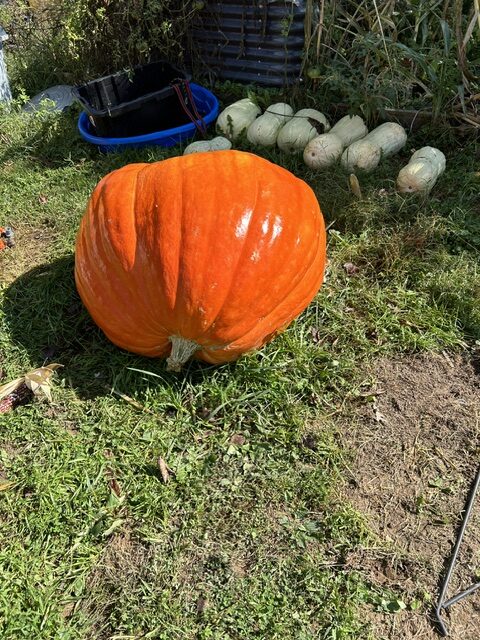
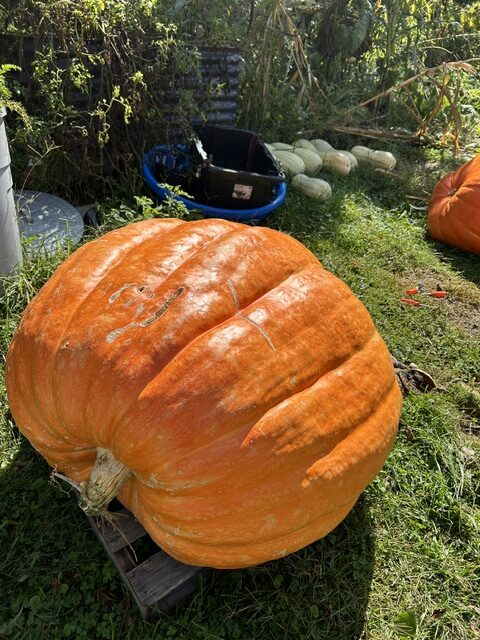
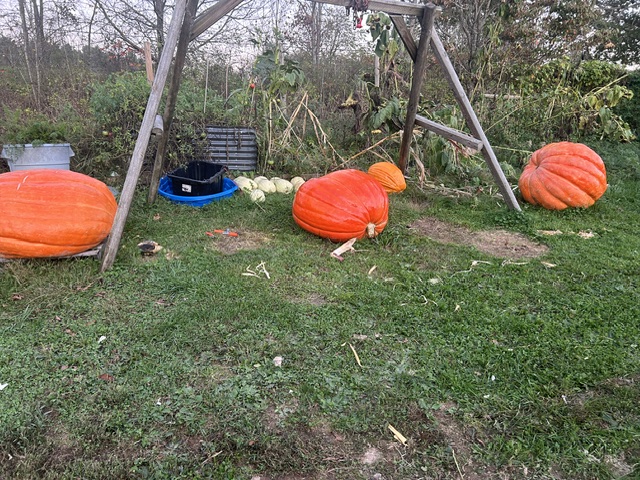
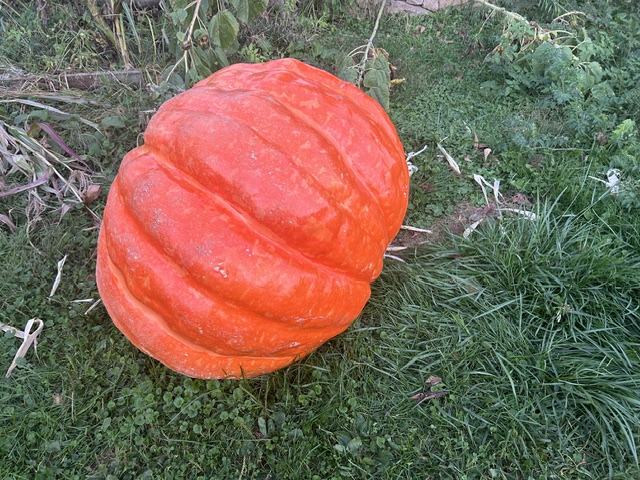
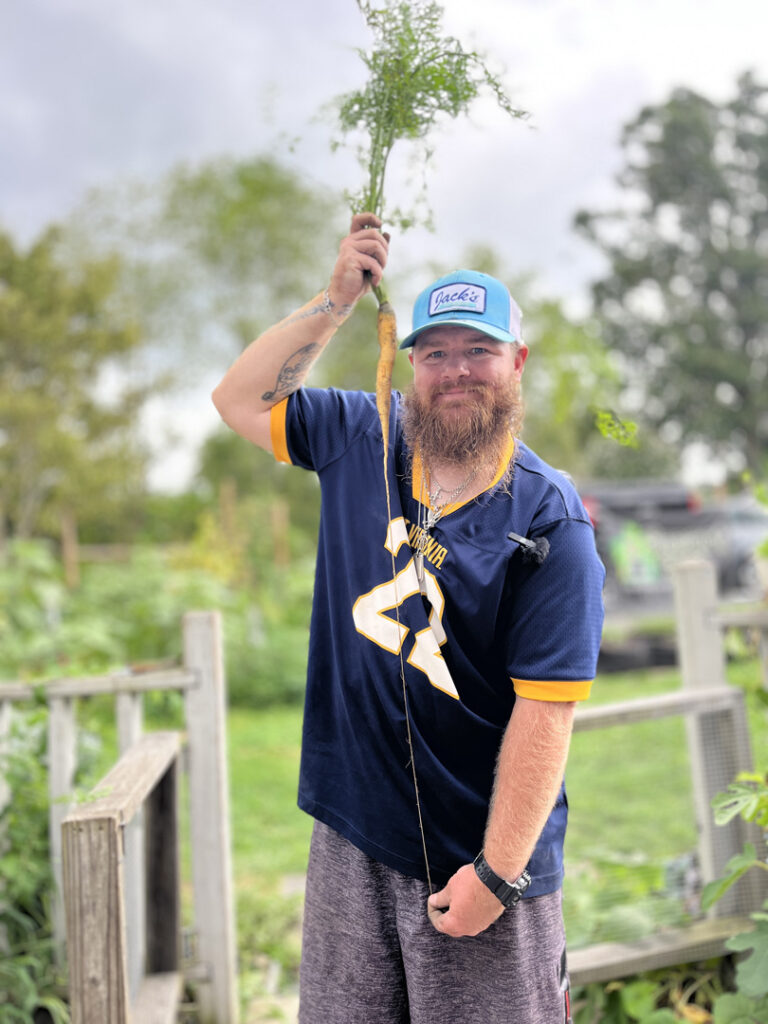
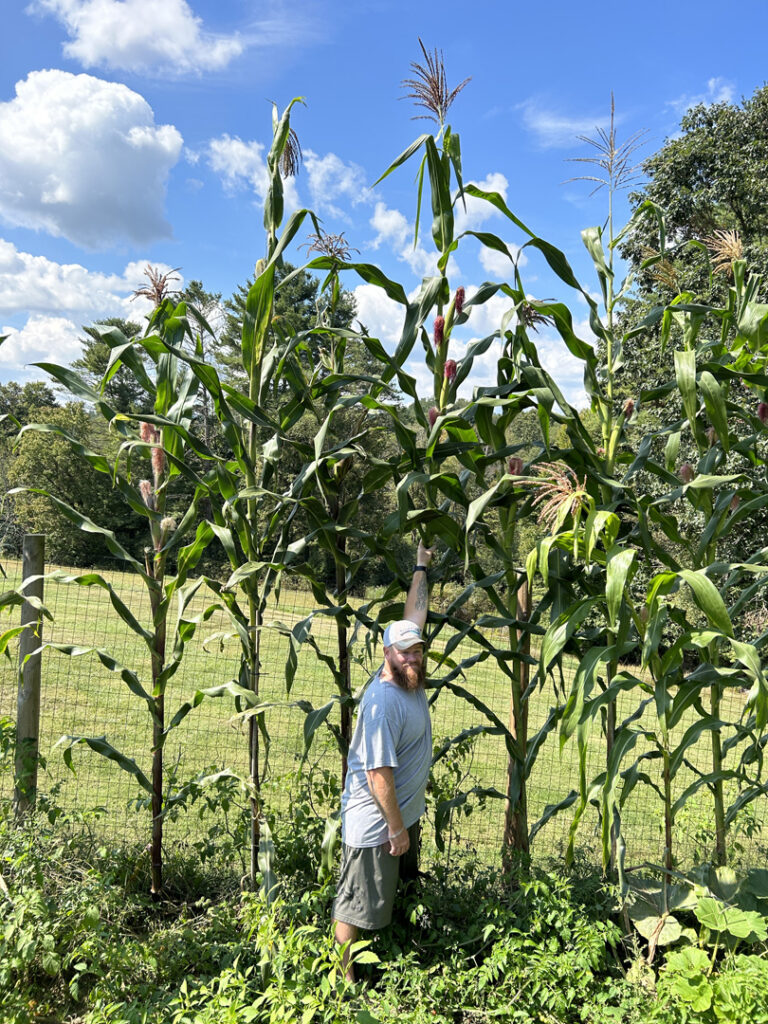
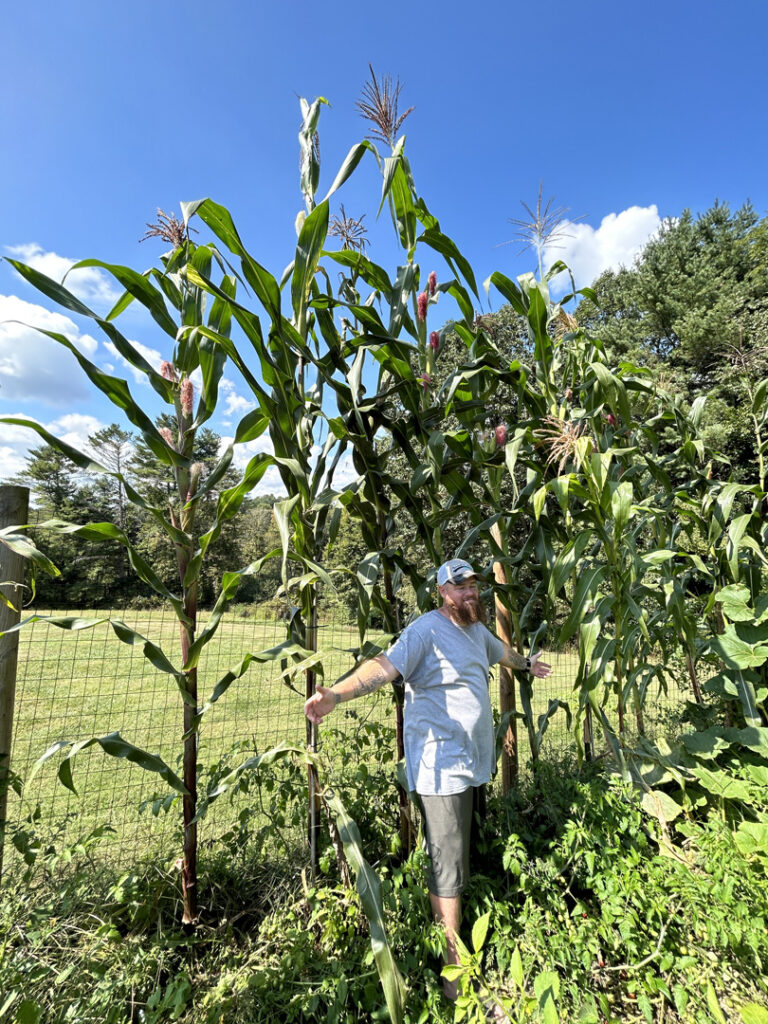
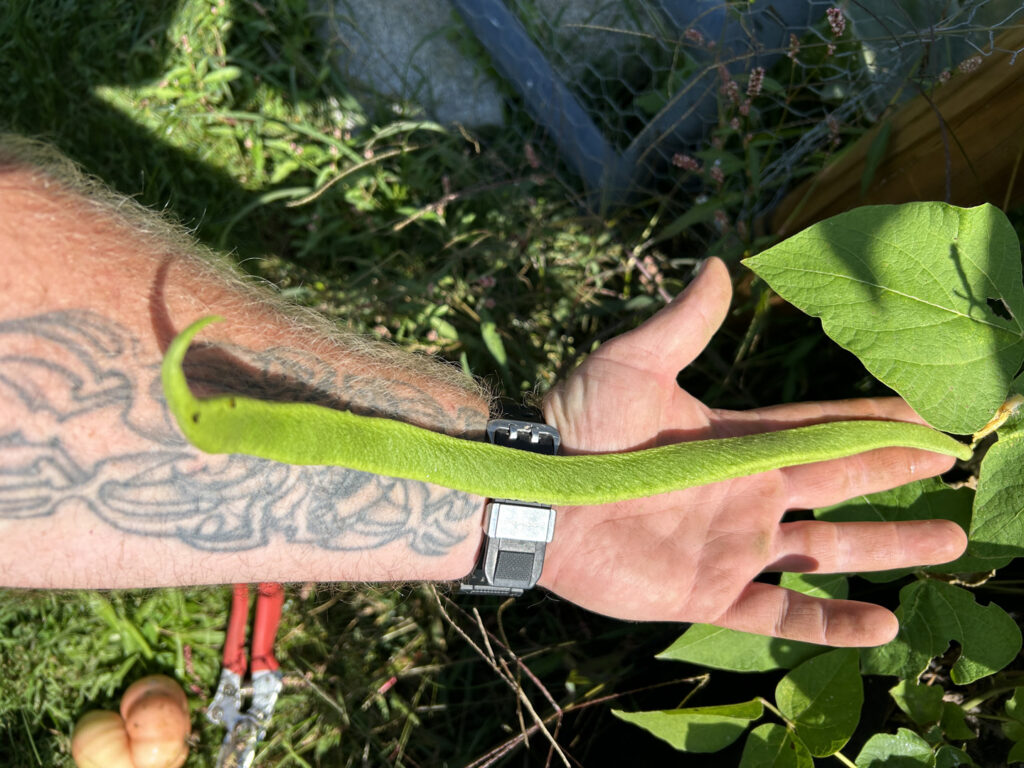
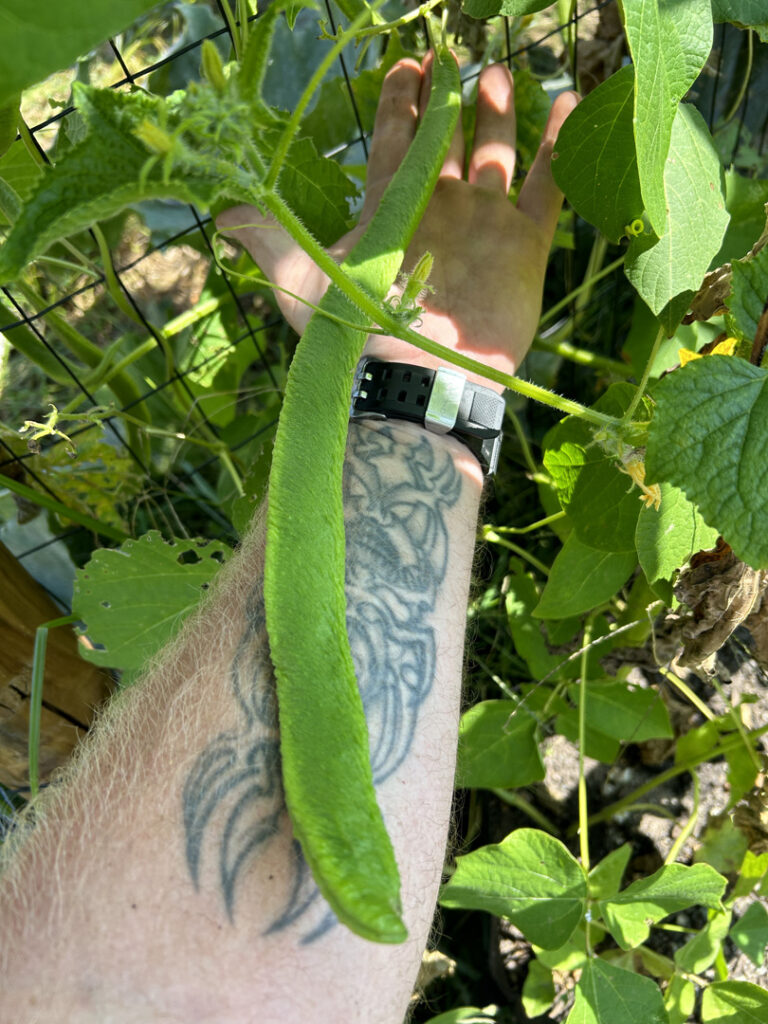
Ryan Cook: “We have broken a few records and set some new ones and still have some stuff growing and it’ll hopefully continue to grow through most of the winter and be weighed later such as rutabaga, radish etc. We grew the new state record field pumpkin at 97lbs and it wasn’t done growing but had to pick it for the weigh-off, grew a 1,017lbs pumpkin which was 14.5% heavy to chart and that’s an incredible accomplishment because it taped at 892lbs, we’ve also grown a NEW WORLD RECORD but we are waiting for Guinness to certify that record and have 12 weeks to hear back but it’s in the works!! We broke a few more records using Bare Ground products.

Posted on Leave a comment

Giant Tomatoes from Laird Dickinson

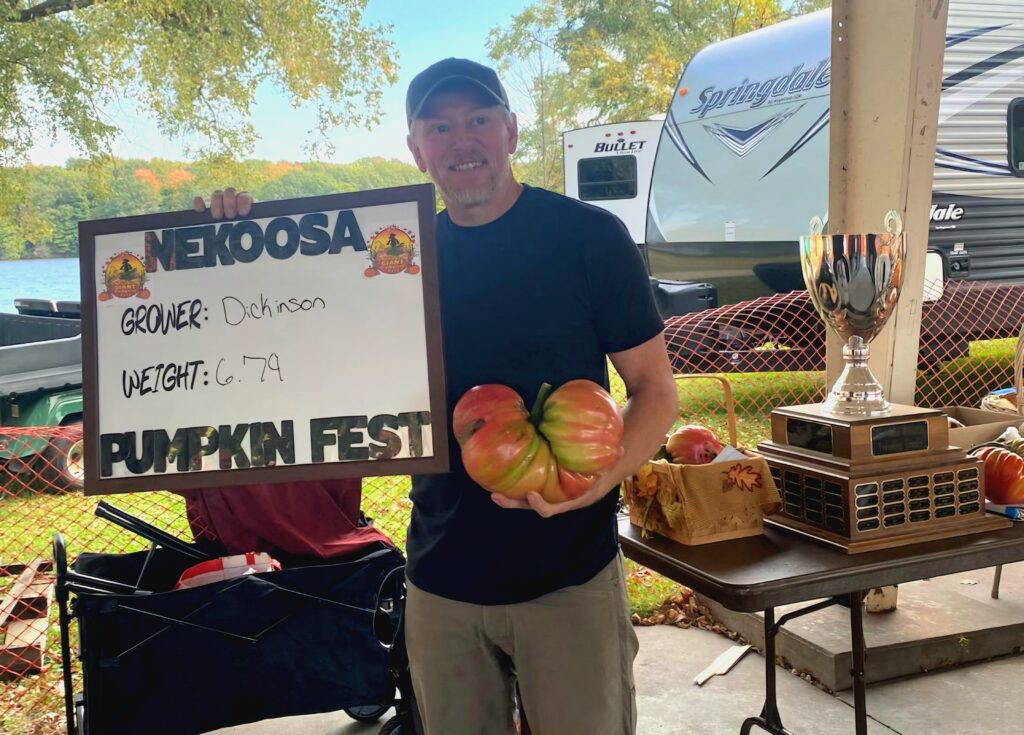
This past summer season Laird Dickinson used some of our fertilizer products to grow some truly immense tomatoes!

Here is what Laird had to say:

Thats a wrap on our giant tomato season here in Wisconsin. I was able to get several tomatoes to registered weight off this season. What an amazing year using your products on my giant tomato plants. I used all your products you sent and rotated their applications religiously with each and every watering. This was by far my best season, and I could not believe the size of the plants or the fruit!! Although, I heavily trim the plants and only allow one fruit to grow, I could barely keep up with the trimming because the plants grew so vigorously! Every day I would have to pull new growth and flowers. This is the fastest I have ever seen healthy plants grow in all my years of growing these giant tomatoes. I honestly couldn’t begin to imagine how big the plants would have gotten, and how much fruit they would have produced had I let them go on their own!
Some highlights from this season include (2) 7 pound giants, a 6 pounder, and (2) 5+ pounders for a combined weight of 30 pounds in just 5 tomatoes!!!

Posted on Leave a comment

Ryan Cook — Summer Grow Update

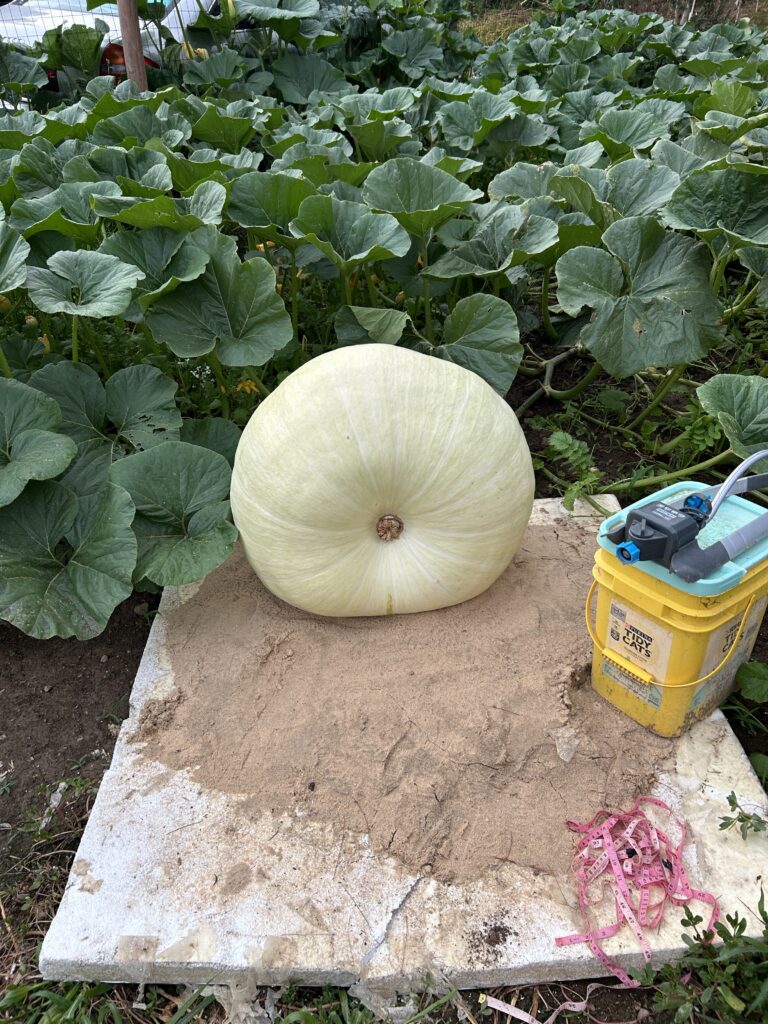
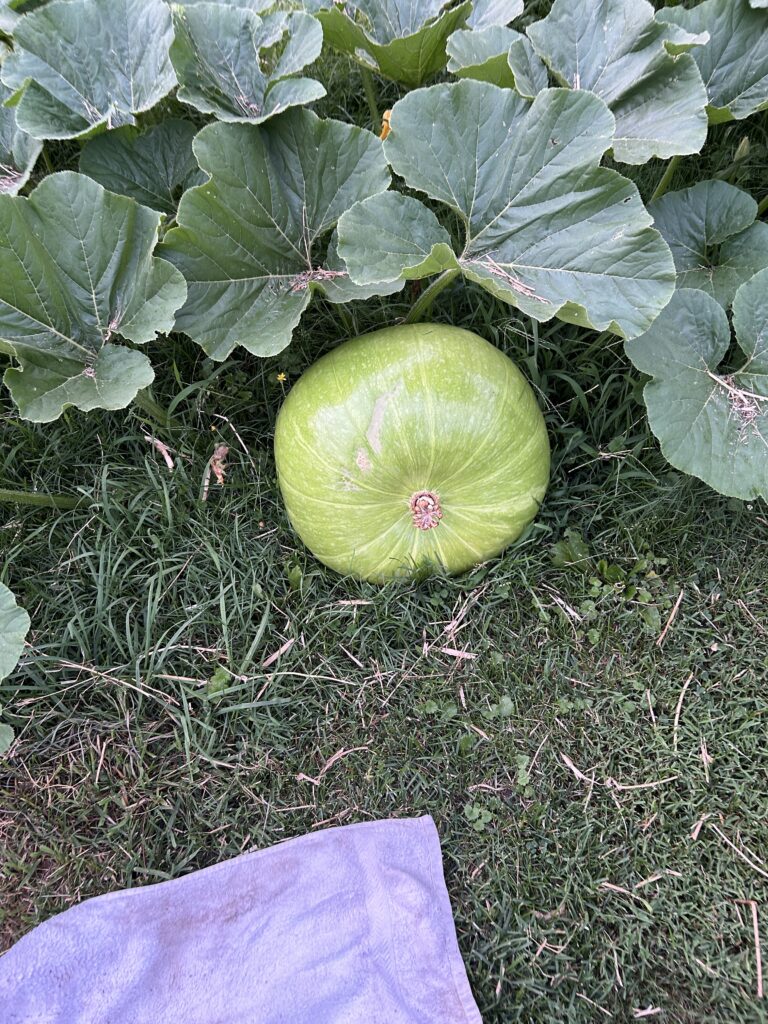
“Things are going well, I’ve got a very nice Green Squash going that if it continues in its path will be the new WV state record!!

955lbs is the number to beat, this is the biggest squash/pumpkin I’ve ever grown at this age!!

Yesterday was Day 20 since pollination and it was almost 150 lbs, they don’t start growing well until day 25!

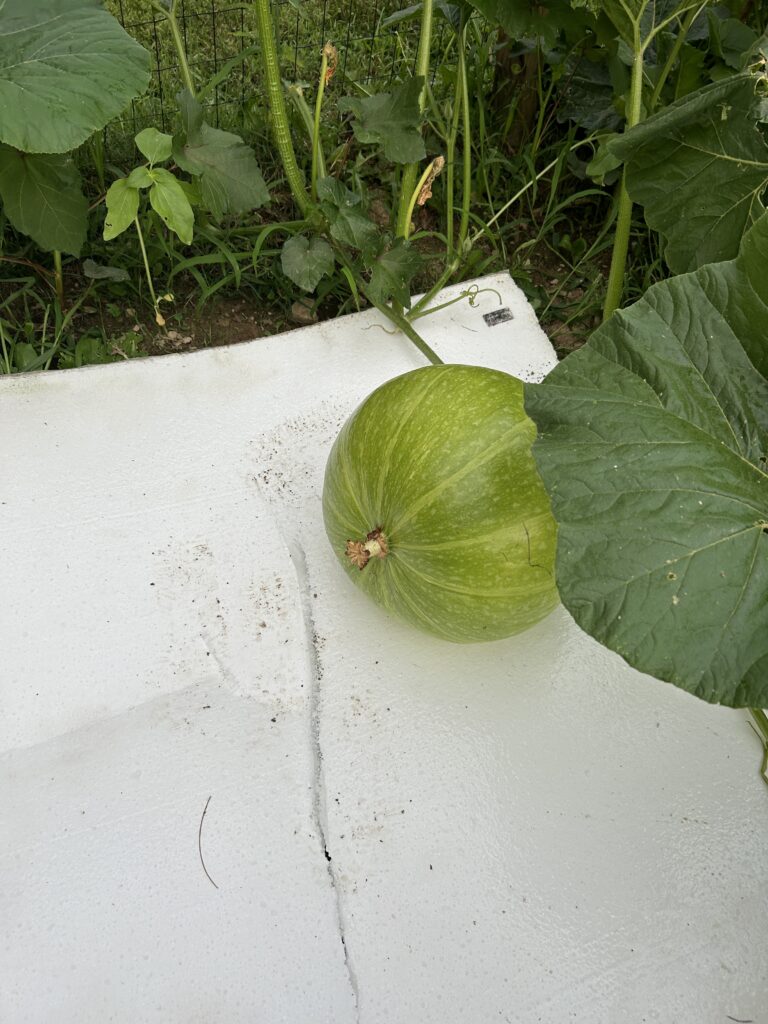
Here’s the pic of the squash, I have 4 green squash plants going and 12 pumpkin plants, I have 3 of the 4 green squash pollinated and growing squash. 1st pic is the biggest one then the others are still young 12-13 days old.”

Posted on Leave a comment

Ryan Cook Celebrates 38 State Records — The most records held by a single person

Witness a groundbreaking milestone in gardening history — Ryan Cook showcases an unparalleled feat of holding an astounding 38 State Records concurrently, a record-breaking accomplishment unmatched by anyone. This captivating video montage showcases an array of colossal vegetables, each a testament to his unwavering dedication and expertise.

Ryan’s next goal is to draw the attention of World Record Organizations, seeking rightful recognition on a global scale.

Moreover, behind these remarkable achievements lies the crucial role of top-tier products like Bare Ground’s fertilizers. Instrumental in Ryan’s success, these fertilizers provided the essential nutrients necessary to nurture these exceptional vegetables, elevating the art of gardening to unprecedented heights.

Posted on Leave a comment

Squanto: A Pioneer of Sustainable Agriculture

It is the beginning of American Indigenous People’s Month starting on 11/1. Many agricultural techniques and practices that we use today are thanks to them.

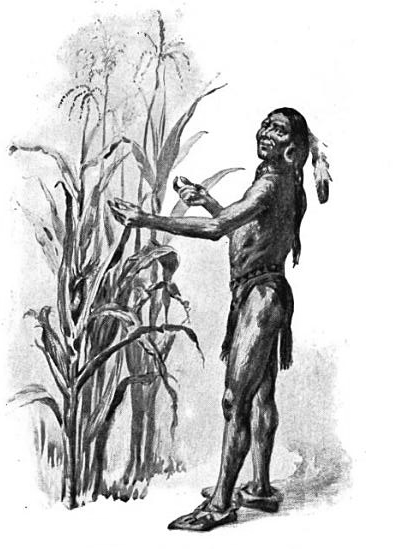
Squanto, also known as Tisquantum, was a Native American who played a crucial role in the survival of the Pilgrims in the New World. His knowledge of agriculture and his willingness to share it with the newcomers helped them overcome the challenges of their early years in America. One of the most fascinating aspects of Squanto’s assistance was his expertise in soil enhancement techniques, including the use of fish to fertilize crops. In this blog, we will explore Squanto’s contributions to agriculture, the Native American method of maize cultivation, and how it relates to modern soil enhancement practices, such as Trident’s Pride liquid fish soil-enhancing fertilizer.

Squanto’s Contribution to Maize Cultivation

The story of Squanto’s assistance to the Pilgrims is well-known. After a harsh first winter that took a toll on the settlers, Squanto helped them recover by teaching them the native method of maize cultivation. Maize, or corn, was a staple crop for both Native Americans and the early European settlers, and its successful cultivation was essential for their survival.

Squanto introduced the Pilgrims to several key agricultural practices, including the “Three Sisters” planting method. This method involved growing maize, beans, and squash together in the same field. The maize provided support for the climbing beans, while the squash leaves shaded the ground, reducing weed growth and conserving soil moisture. This mutually beneficial planting system improved crop yields and soil health.

Fish as Fertilizer

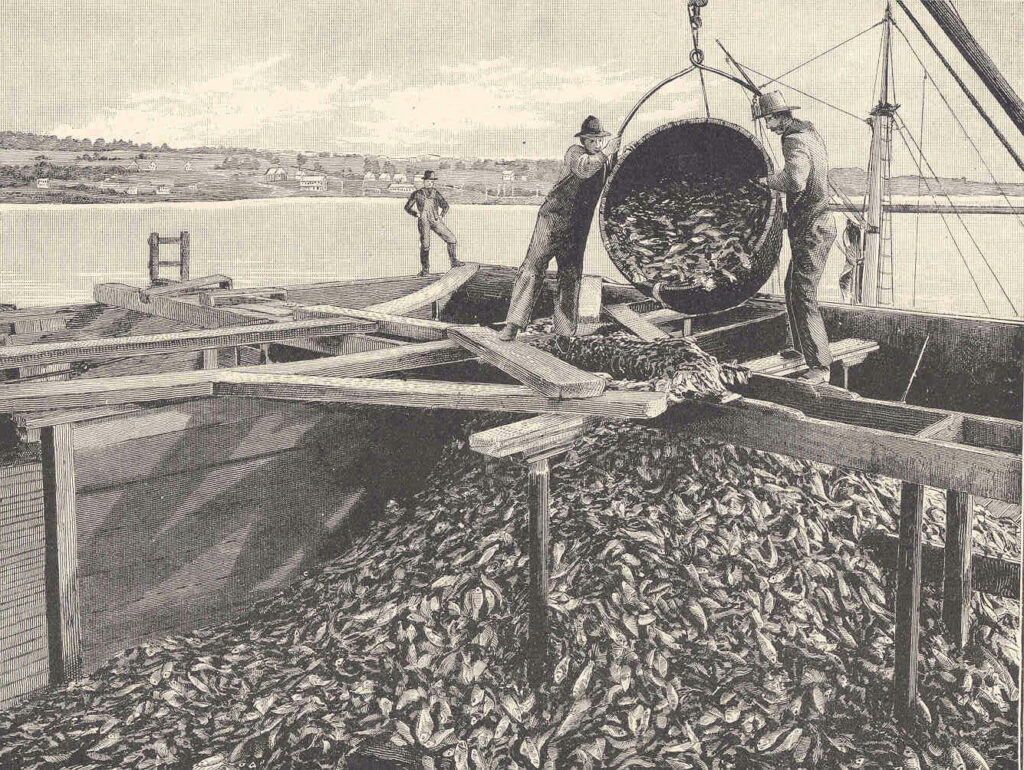
One of the most intriguing aspects of Squanto’s agricultural knowledge was his use of local fish, particularly menhaden, as a natural fertilizer for crops. Menhaden are a type of fish found in the Atlantic Ocean and were abundant in the area where Squanto and the Pilgrims settled. He taught the colonists how to catch menhaden and use them to enhance their maize crops.

The process of using fish as fertilizer is quite straightforward. The fish are buried in the ground near the maize plants. As they decompose, they release essential nutrients, such as nitrogen and phosphorus, into the soil. These nutrients are crucial for plant growth and help increase crop yields.

Modern Agricultural Practices: Trident’s Pride Liquid Fish Soil Enhancer

Squanto’s use of fish as fertilizer was an early example of sustainable and organic farming practices. Today, modern agriculture recognizes the benefits of using organic fertilizers to improve soil health and crop productivity.

One product that aligns with Squanto’s ancient wisdom is Trident’s Pride liquid fish soil enhancer. This innovative fertilizer is derived from fish and contains valuable nutrients that can benefit crops in a similar way to Squanto’s method. Trident’s Pride is a sustainable and eco-friendly solution for modern farmers looking to enhance their soil and boost crop yields naturally.

Benefits of Using Trident’s Pride Liquid Fish Soil Enhancer:

Nutrient-Rich: Just like the fish used by Squanto, Trident’s Pride is packed with essential nutrients that promote healthy plant growth.

Organic and Sustainable: Trident’s Pride is made from fish waste, making it an eco-friendly choice for farmers who want to improve their soil without relying on synthetic chemicals.

Soil Health: This fertilizer enriches the soil with organic matter, improving its structure and fertility over time.

Crop Yield Increase: Using Trident’s Pride can lead to higher crop yields and healthier, more robust plants.

Squanto’s contributions to the early American settlers, including his knowledge of sustainable agriculture and the use of fish as fertilizer, were invaluable. His methods not only helped the Pilgrims survive in the New World but also laid the foundation for sustainable farming practices that are still relevant today.

As we continue to seek environmentally friendly and sustainable agricultural solutions, it’s worth remembering the wisdom of Squanto and the Native Americans who understood the importance of building better soil through natural means. Products like Trident’s Pride liquid fish soil enhancer serve as a bridge between ancient wisdom and modern farming practices, allowing us to cultivate healthier crops while preserving the health of our planet.

Posted on Leave a comment

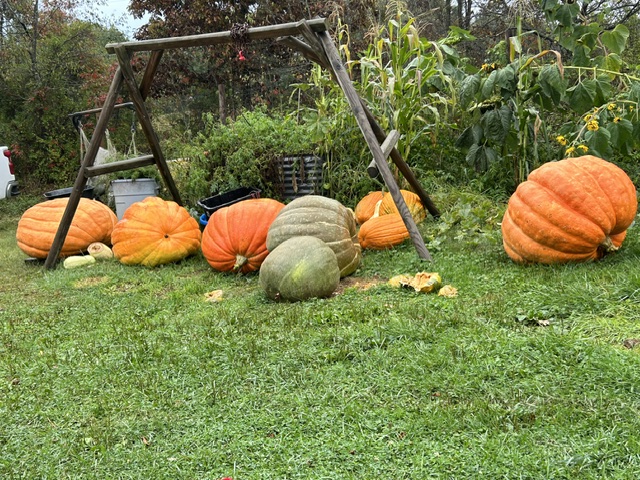
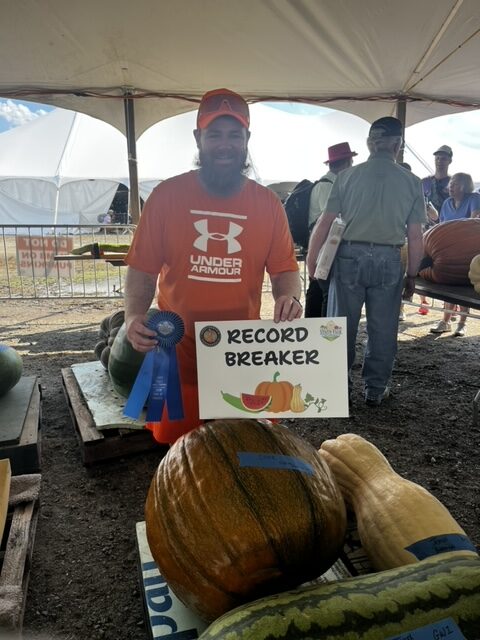
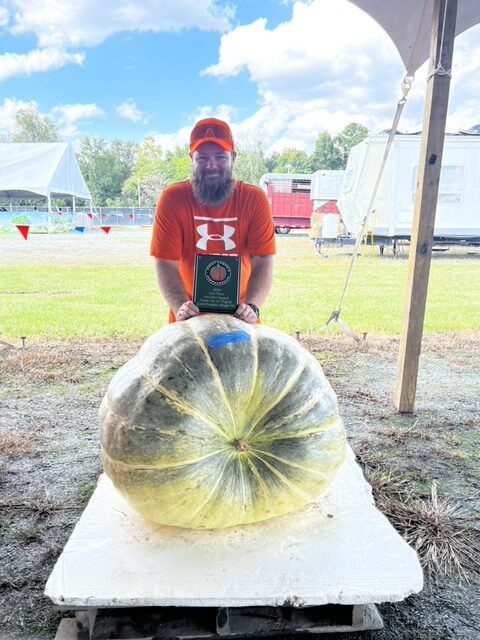
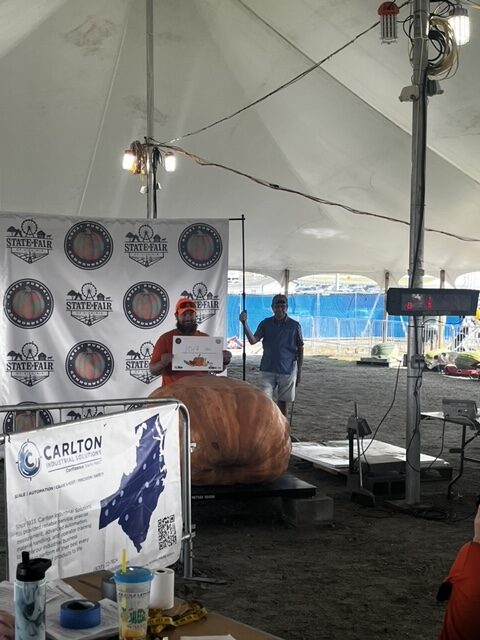
Ryan Cook: Pumpkin Champion Breaking Records

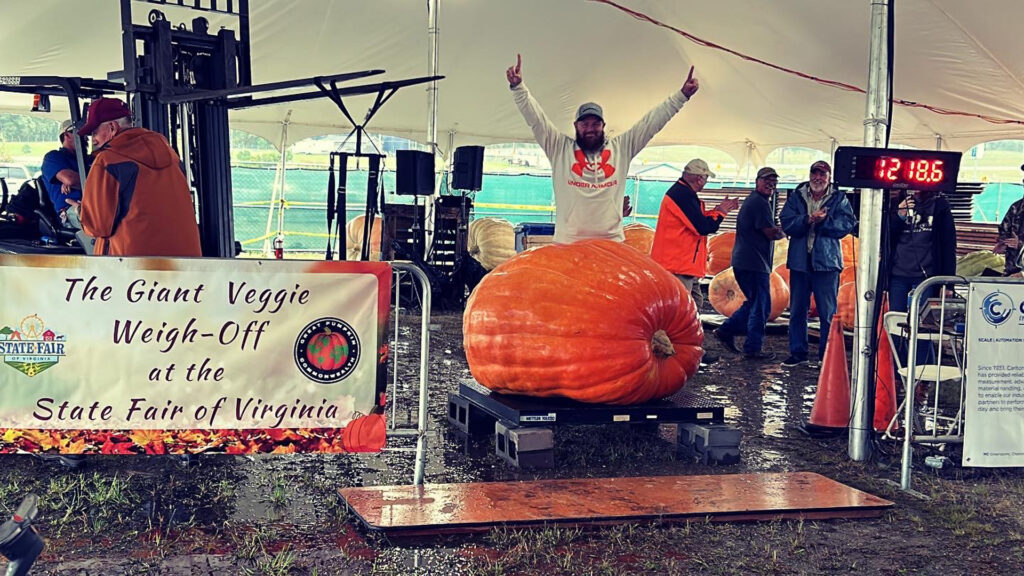
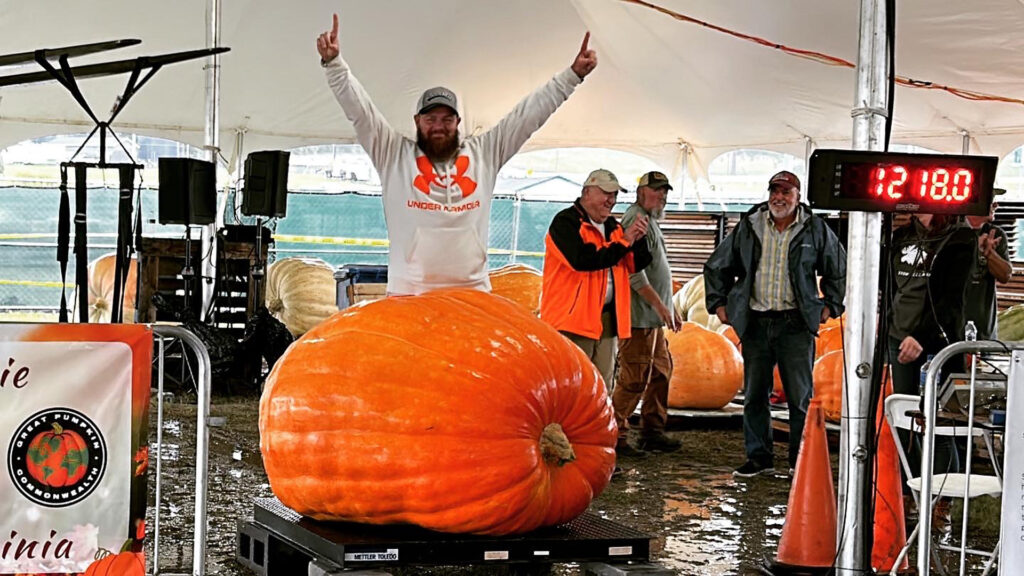
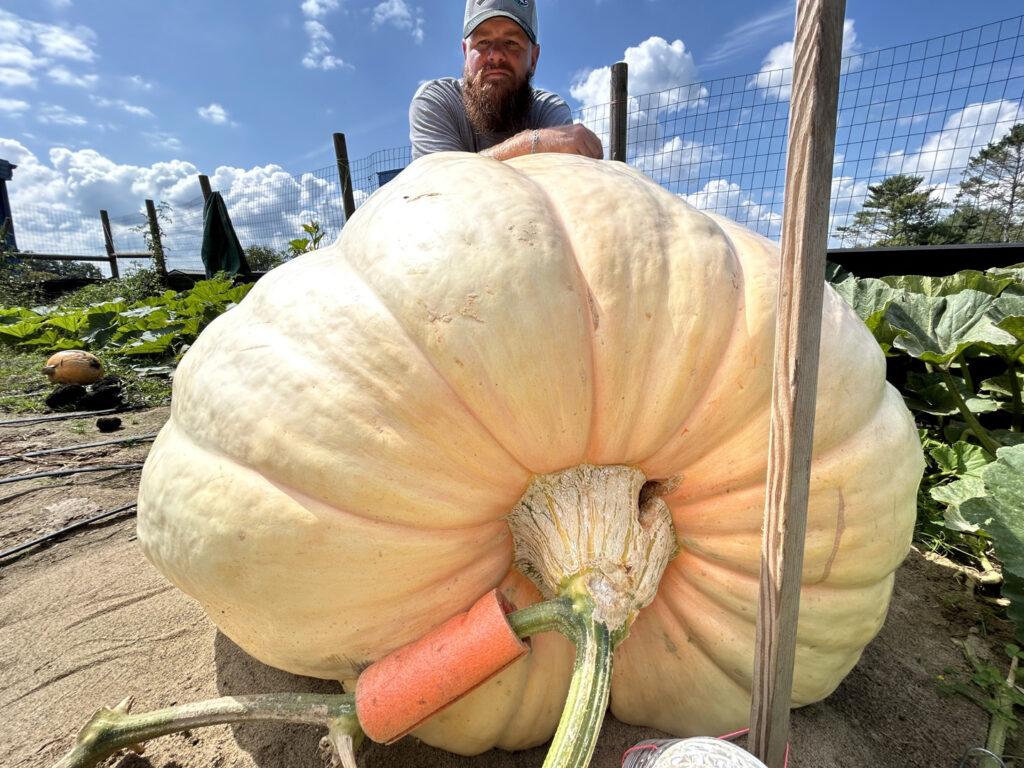
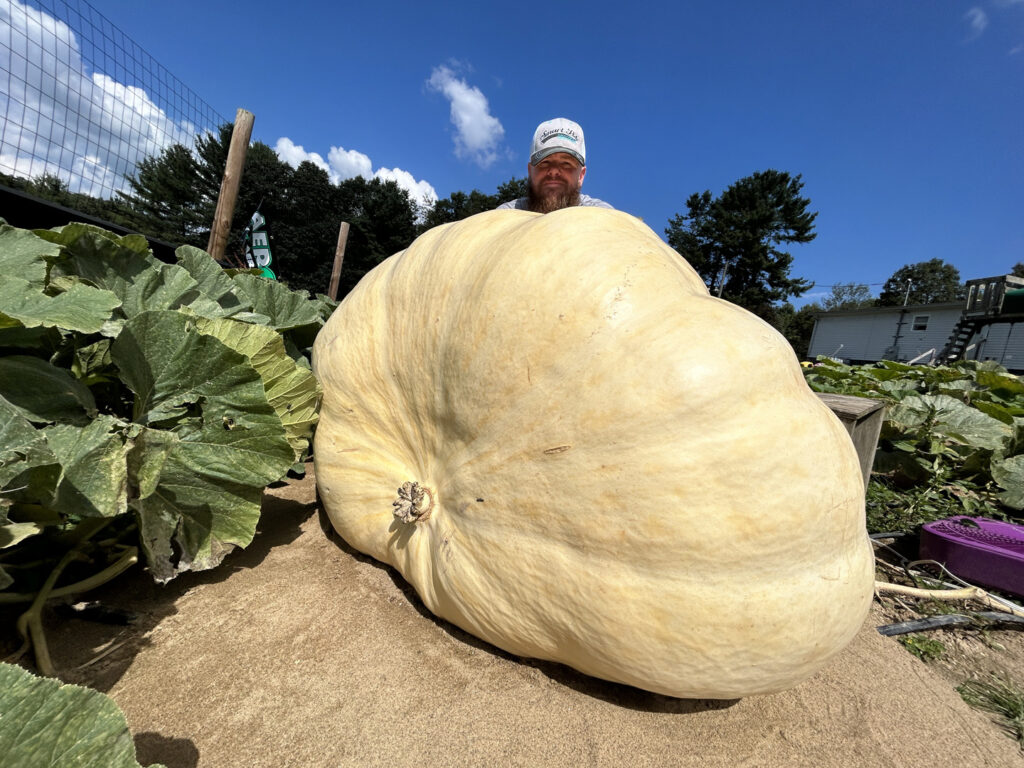
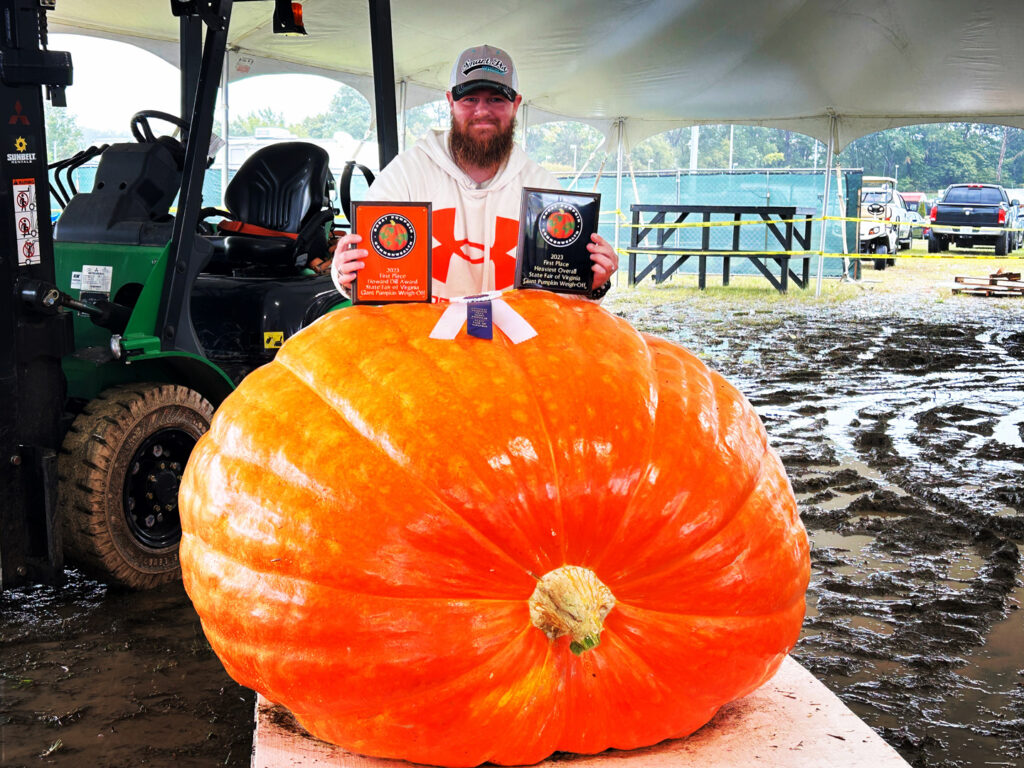
Ryan Cook, an accomplished pumpkin grower, has made remarkable strides in the giant pumpkin scene this season. He achieved 1st place at the VA State Fair and earned both the esteemed Howard Dill Award and the VA State Fair Prettiest Pumpkin Award. In addition to these accolades, Ryan also secured the top position for field pumpkins. His collection of 37+ State Records is a testament to his expertise, and he’s now on track to potentially establish a new world record, garnering admiration from fellow pumpkin enthusiasts.
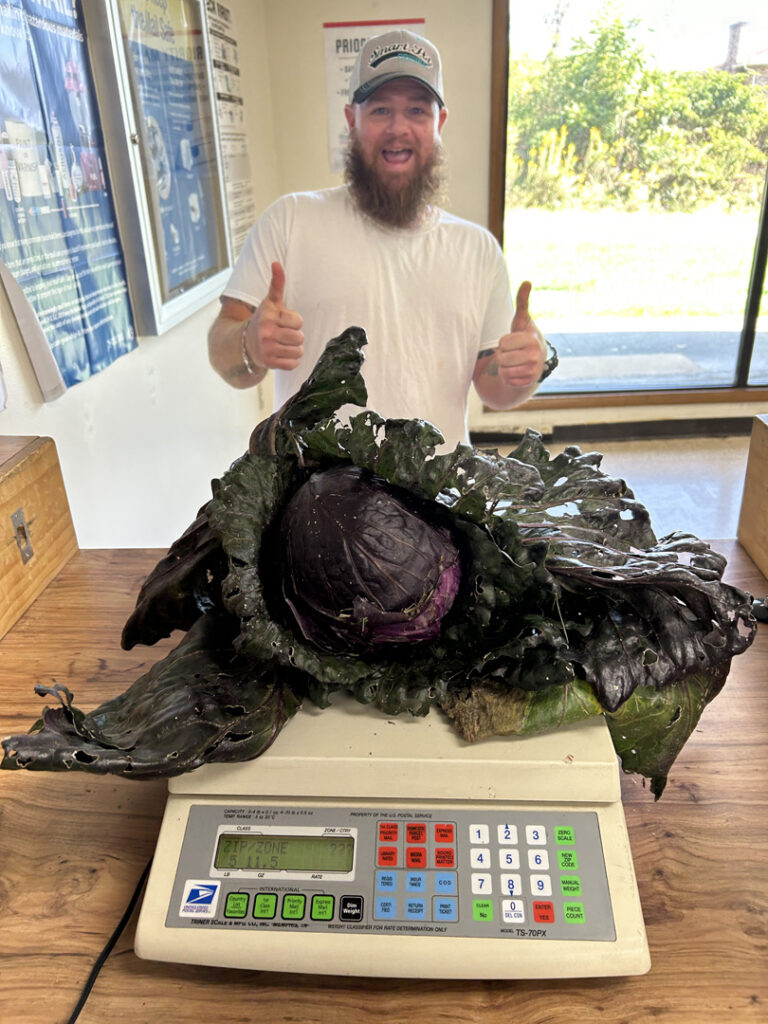
Bare Ground’s fertilizers have been instrumental in his success, providing the nutrients needed to nurture these exceptional pumpkins.